Why Glow Effects Matter in Video Editing
If you’ve watched music videos, cinematic reels, or even high-end commercials, you’ve probably noticed that dreamy glow that makes highlights bloom and frames feel more alive. That’s the glow effect — a simple yet powerful way to elevate your edits.
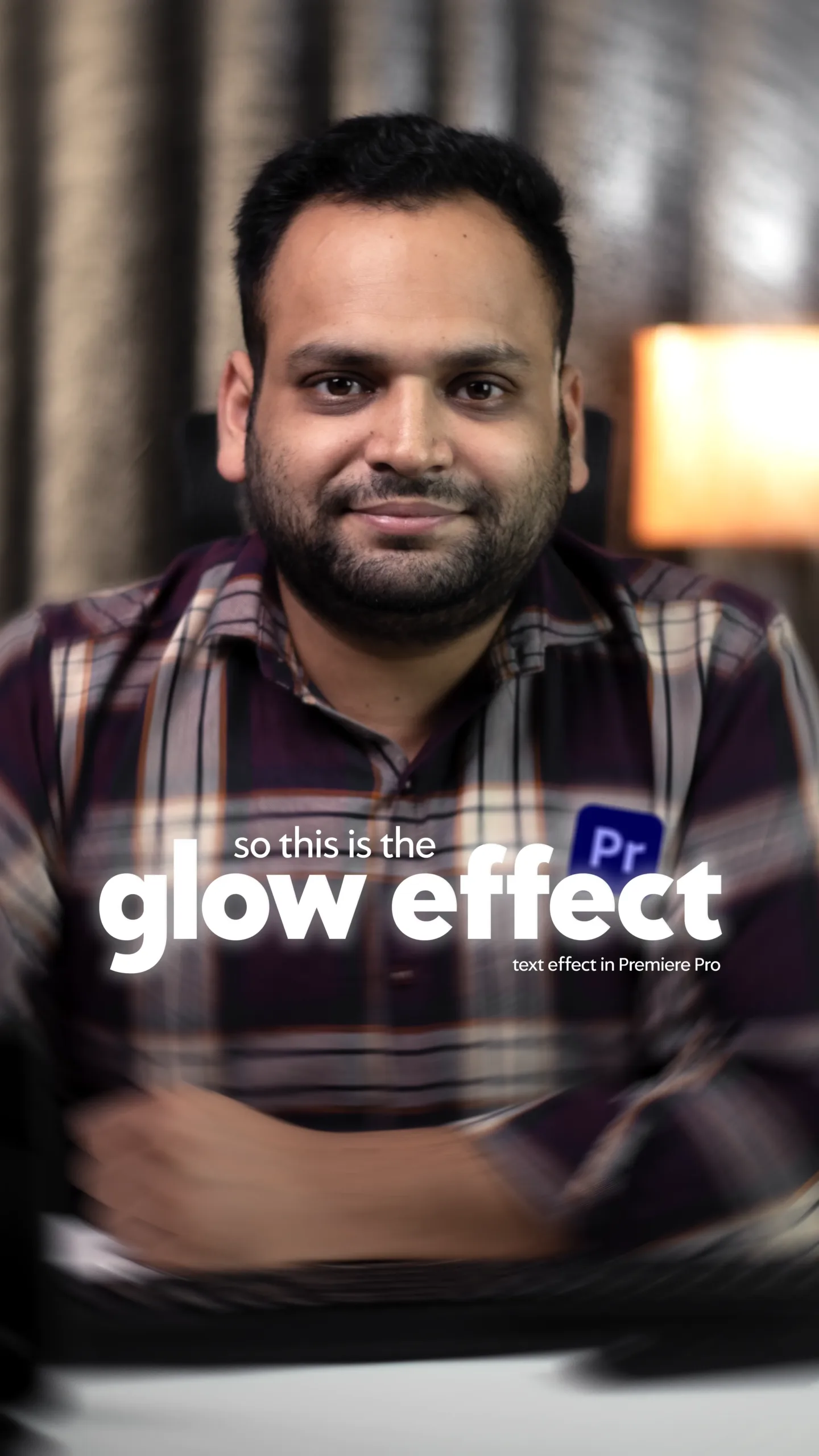
Recently, I created a video for my audience explaining how to build a glow effect in Premiere Pro from scratch and shared a free preset so they could start using it right away. In this blog, I’ll walk you through the entire process: the behind-the-scenes setup, how I edited the effect, and tips on using it efficiently in your own projects.
And yes, the founder of The Vintage Shutter Films was right there in the BTS footage, helping set up lights, managing wide-frame shots, and making sure our environment was perfect for showing the effect clearly.
Setting the Stage: Shooting for the Glow Effect
The first step to any editing effect is shooting your footage properly. Glow works best when you already have a balance between light and shadow in your video.
During our shoot, we:
- Used soft diffused lighting to avoid harsh spots.
- Captured wide frame shots to demonstrate the effect clearly.
- Filmed multiple angles (close-ups, wides, and tracking shots) so viewers could see how glow interacts differently depending on the composition.
The BTS footage shows us adjusting a diffuser several times because direct light created hotspots that didn’t look flattering. Once softened, the footage became perfect for demonstrating the glow effect.
Step One: Building the Glow Effect in Premiere Pro
Now let’s get into the editing. Instead of just dropping in a filter, I built the effect step by step so the audience could understand the logic behind it.
- Duplicate the Video Layer
- I started by duplicating the base video track. This duplicate layer is where the glow lives, while the original remains untouched for reference.
- Apply Gaussian Blur
- On the duplicate layer, I added a Gaussian Blur. This softened the highlights and created the dreamy look we needed.
- Change the Blend Mode
- I switched the blend mode to Screen (sometimes Add also works). This blended the blurred layer with the original, producing a glowing highlight effect.
- Adjust the Intensity
- To avoid overexposure, I played with the opacity of the duplicate layer. Subtlety is key — the glow should enhance, not distract.
Step Two: Refining the Look
A raw glow can sometimes look too strong. To make it cinematic, I refined the settings:
- Feathering the edges → This made transitions between glowing and non-glowing areas smoother.
- Color grading the glow → Adding a slight warm tone helped food, skin, or objects look more natural instead of washed out.
- Masking specific areas → Instead of applying glow everywhere, I masked parts of the frame to highlight only where I wanted attention.
The goal was control. By the end, the glow effect looked professional instead of like an Instagram filter slapped on top.
Step Three: Syncing Glow to Music and Motion
One trick I shared in the video was syncing the glow intensity with the music beat or motion inside the clip.
For example:
- When the beat dropped, I slightly increased the glow opacity for impact.
- During slow-motion sequences, I kept the glow soft and dreamy.
This dynamic use of glow made the final video feel alive and immersive instead of static.
Final Results
Once everything was edited, color graded, and synced, the glow effect gave the video a polished, cinematic finish. It elevated ordinary footage into something more atmospheric and emotional.
The response from viewers was immediate — many downloaded the free preset and shared how it worked in their own projects. That’s the beauty of effects like glow: they’re versatile and can be used across music videos, ads, reels, and cinematic projects.
Final Thoughts
The glow effect in Premiere Pro may seem simple, but when crafted carefully, it can transform ordinary footage into cinematic art. By combining thoughtful shooting setups, subtle editing refinements, and syncing with audio or motion, you create an effect that feels both professional and engaging.
For me, sharing this process wasn’t just about teaching a trick. It was about showing the complete journey: from BTS setups with diffusers and wide shots to the polished final edit paired with a free preset for my community.
Because at the end of the day, editing isn’t just about pressing buttons — it’s about creating emotion, atmosphere, and storytelling through visuals. And the glow effect, when used wisely, is one of the best tools to make your footage shine — literally.